Showing posts with label Rajasthan. Show all posts

Saturday, October 12, 2013

Bhangarh - A Haunted Place

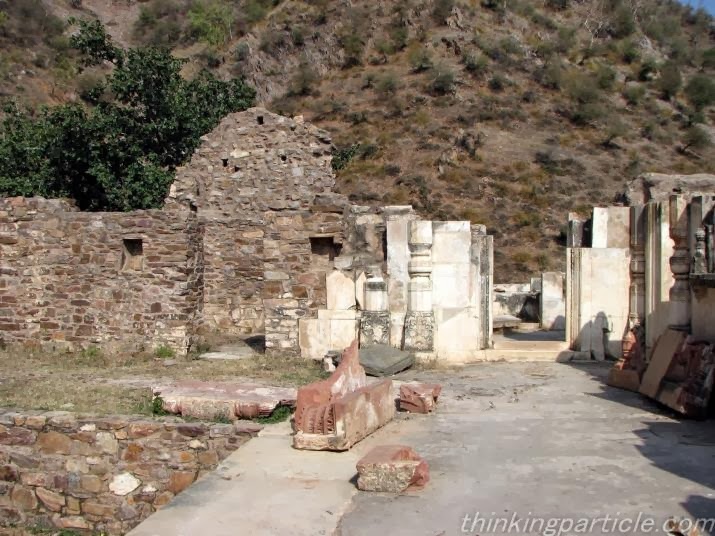
Located between Jaipur and Alwar in Rajasthan, Bhangarh is India’s very own ghost town.  Known as one of the most haunted places in the country, it is famous for its historical ruins. It is definitely worth a visit for its temples, havelis and a palace. However, be sure to finish all your sightseeing during the day as the spooky place is strictly out of bounds at night.
A signboard displayed by ASI, a Government of India organization clearly states “Entering the borders of Bhangarh before sunrise and after sunset is strictly prohibited. Legal action would be taken against anybody who does not follow these instructions”. All this talk about the supernatural has resulted in making it one of the popular tourist destinations today.


It is believed that the city of Bhangarh was cursed by the Guru Balu Nath, which led to the town’s evacuation. He sanctioned the establishment of the town but with one clause, saying, “The moment the shadows of your palaces touch me, the city shall be no more!” Ignorant of such a threat, a descendant raised the palace to such a height that it cast a shadow Balu Nath’s forbidden retreat and thus the town was cursed as predicted. The small Samadhi where Balu Nath is said to lie buried is still there.

Bhangarh is a deserted town with some 10000 dwellings established in 1613 by Madho Singh, son of great Mughal general, Man Singh of Amber. Bhangarh was abandoned soon after being built and supposedly after it was cursed by a magician. Bhangarh fort offers an intact view of the medieval past. Apparently, the Bhangarh town had been desolated by an old mughal invasion, and is just reverting back to being habited again.

Bhangarh premises are enclosed by a partially ruined wall. Other than dwellings, ruins of Bhangarh also include gardens, havelis, banyan trees and temples of Lord Someshwar, gopinath, mangla devi and Keshava rai. But the enigmatic attraction is a secluded chhatri on the hilltop which catches attention of all the travelers. In entirety, the random placement of all these sites within Bhangarh premises may look freighting and mysterious at the same time.

According to another legend, the beauty and charisma of the Princess of Bhangarh Ratnavati, was incomparable to anyone in all of Rajasthan. As soon as she turned eighteen, she started getting matrimonial offers from other regions. In the same region lived a tantrik, a magician well versed in the occult, named Singhia. He was madly in love with the princess knowing that nothing could ever come of it. One day when he saw the princess’s maid in the market buying scented oil for her, he thought that this was his chance. He used his black magic on the oil which would hypnotize the princess by her merely touching the oil and would surrender herself and run to him. His plan did not work out as the princess had seen the tantric enchanting the oil and thus poured it on the ground. It touched a stone, which started rolling towards the tantrik and crushed him. Dying, Singhia cursed the palace with the death of all who dwelt in it, without any rebirth in their destinies. The next year there was a battle between Bhangarh and Ajabgarh in which Princess Ratnavati lost her life.

The grounds of Bhangarh are enclosed by a partially ruined wall. The beautifully carved temples Gopinath, Shiva, Mangla Devi and Keshava Rai are definitely worth a visit. There’s also the dancer’s haveli. The most mysterious building of all is the chhatri that stands atop the hill, which is believed to have been inhabited by the tantrik.

The town continues to draw visitors many of whom claim to have heard “sounds” of music and tinkling of anklets. Some even swear they have heard spine-chilling screams. Whether its fact or myth, you decide.

Thursday, November 27, 2008

Folklore Museum, Jaisalmer - 47

A rich collection of paintings, photographs, costumes and jewellery form the region is on display. There are also articles connected with folk and cultural lifestyles in the museum.

Guys, I would like to ask one thing. When you are going to complete your tour at India? If would like to leave India before the visit of Jaisalmer then I can say, you are moving with empty hands. Yeah! The reason is, you are missing to visit Jaisalmer's one of the most fantastic Folklore Museum. One more thing, here you can see an fantabulous collection of art, artifacts and mementos of the royal past in the Folklore Museum of Jaisalmer. If you are interested to study the charming land and its motleyed culture then there is no such great place. Just take an experience of naked atmosphere once you sit at the banks of the Garsisar Lake in Mehar Bagh Garden. I am sure, all you never grab such type of experience anywhere else. Because, here the wind has nothing but the perfection of satisfaction.

Just visit the six different departments of the Folklore Museum. All the six parts includes a coterie of paintings, costumes, jewelery, photographs, camel and horse ornaments and fossils. This museum is the replication of culture and established art of Rajasthan. A person who initiates a course of action to collect paintings, old coins, post cards and manuscripts and articles related to the folk and culture of the land for the people to learn more about the art and traditions of Jaisalmer named Mr. N.K. Sharma. Without his devotion you could not able to see his collections.

Before moving to your nation, just visit here from 10.00 am to 04.45 pm with nominal charges of entry like Rs. 10/- for Indians and Rs. 10/- for foreigners. This Folklore Museum remains closed on Fridays.

Related Links :

01. Museums and Art Gallaries of India : A Survey - 1
02. Museums of Jammu and Kashmir : Sri Pratap Singh Museum Srinagar - 2
03. Art Gallery Jammu :Dogra Art Gallery - 3
04. Himachal Pradesh : The Library of Tibetan Works and Archives Dharmshala - 4
05. Himachal Pradesh : Bhuri Singh Museum, Shimla - 5
06. Shimla State Museum - 6
07. The Nicholas Roerich Gallery, Shimla - 7
08. Indian Institute of Advanced Studies, Summerhil, Shimla - 8
09. Uruswati Himalayan Folk Art Museum, Naggar - 9
10. Punjab and Haryana : Maharaja Ranjit Singh Museum, Amritsar - 10
11. Government Museum and Art Callery, Chandigarh - 11
12. The Chandigarh Architecture Museum - 12
13. The Natural History Museum, Chandigarh - 13
14. Anglo Sikh War Memorial Ferozeshah - 14
15. Art Gallery, Patiala - 15
16. Sanghol Museum, Chandigarh - 16
17. New Delhi : The National Museum - 17
18. The National Gallery of Modern Art, New Delhi - 18
19. The Rail Museum - 19
20. The Nehru Memorial Museum, New Delhi - 20
21. The Gandhi Memorial Museum (Rajghat) and the Gandhi Smriti Museum (Tees January Marg) - 21
22. Tibet House Museum, New Delhi - 22
23. The Archaeological Museum at the Red Fort, New Delhi - 23
24. International Dolls Museum, New Delhi - 24
25. The Crafts Museum at Pragati Maidan, New Delhi - 25
26. Museum of Natural History, New Delhi - 26
27. Allahabad Museum, Uttar Pradesh - 27
28. Sarnath Archaeological Museum, Varansi, Uttar Pradesh - 28
29. Government Museum Mathura, Uttar Pradesh - 29
30. Bharat Kala Bhawan, Varanasi, Uttar Pradesh - 30
31. Lucknow State Museum - 31
32. Rajasthan Government Museum, Ajmer, Rajasthan - 32
33. Government Museum, Alwar, Rajasthan - 33
34. Archaeological Museum, Ajmer, Rajasthan - 34
35. Virat Nagar Museum, Bairat - 35
36. Ganga Golden Jubilee Museum, Bikaner - 36
37. Government Museum, Bharatpur - 37
38. Fort Museum, Bikaner - 38
39. Fateh Prakash Palace Museum, Chittorgarh - 39
40. The Maharaj Sawai Madho Singh Museum, Jaipur - 40
41. Government Central Museum, Jaipur - 41
42. Juneja Art Gallery, Jaipur - 42
43. Maharaja Sawai Man Singh (II) Museum, Jaipur (1) - 43
44. Maharaja Sawai Man Singh (II) Museum, Jaipur (2) - 44
45. Museum of Indology, Jaipur - 45
46. Hawa Mahal Museum, Jaipur - 46

Friday, November 21, 2008

Archaeological Museum, Ajmer, Rajasthan - 34

The museum features two “Yupa Pillars” (sacrificial posts) with inscriptions from Barnala as well as Prathihara sculptures of the 8th century and terracotta belonging to early historical periods.

This museum situated in the Dil-e-Aaram Gardens, of Amer, the ancient capital of Jaipur, and accomplished in 1949. Earlier in time, the dug up material from Rairh, Bairat, Sambhar, Nagar etc. and the sculptures and inscriptions has been gathered from various sites in the former Jaipur State were housed at Vidyadhar Gardens in Purana Chat. In July 1949 the entire collection was transferred to Dil-e-Aaram Garden, a part of the old palace at Amer. An Art Gallery was introduced in 1992 in this complex. This museum is divided into three departments.

You can visit here from 10.00 am to 04.45 pm. Entry fees will be charged as Rs. 3/- for Indians and Rs. 10/-for Foreigners.

Related Links :

01. Museums and Art Gallaries of India : A Survey - 1
02. Museums of Jammu and Kashmir : Sri Pratap Singh Museum Srinagar - 2
03. Art Gallery Jammu :Dogra Art Gallery - 3
04. Himachal Pradesh : The Library of Tibetan Works and Archives Dharmshala - 4
05. Himachal Pradesh : Bhuri Singh Museum, Shimla - 5
06. Shimla State Museum - 6
07. The Nicholas Roerich Gallery, Shimla - 7
08. Indian Institute of Advanced Studies, Summerhil, Shimla - 8
09. Uruswati Himalayan Folk Art Museum, Naggar - 9
10. Punjab and Haryana : Maharaja Ranjit Singh Museum, Amritsar - 10
11. Government Museum and Art Callery, Chandigarh - 11
12. The Chandigarh Architecture Museum - 12
13. The Natural History Museum, Chandigarh - 13
14. Anglo Sikh War Memorial Ferozeshah - 14
15. Art Gallery, Patiala - 15
16. Sanghol Museum, Chandigarh - 16
17. New Delhi : The National Museum - 17
18. The National Gallery of Modern Art, New Delhi - 18
19. The Rail Museum - 19
20. The Nehru Memorial Museum, New Delhi - 20
21. The Gandhi Memorial Museum (Rajghat) and the Gandhi Smriti Museum (Tees January Marg) - 21
22. Tibet House Museum, New Delhi - 22
23. The Archaeological Museum at the Red Fort, New Delhi - 23
24. International Dolls Museum, New Delhi - 24
25. The Crafts Museum at Pragati Maidan, New Delhi - 25
26. Museum of Natural History, New Delhi - 26
27. Allahabad Museum, Uttar Pradesh - 27
28. Sarnath Archaeological Museum, Varansi, Uttar Pradesh - 28
29. Government Museum Mathura, Uttar Pradesh - 29
30. Bharat Kala Bhawan, Varanasi, Uttar Pradesh - 30
31. Lucknow State Museum - 31
32. Rajasthan Government Museum, Ajmer, Rajasthan - 32
33. Government Museum, Alwar, Rajasthan - 33

Government Museum, Alwar, Rajasthan - 33

Guys Government Museum, Alwar is a unique collection of arms, lacquered and ivory work, musical instruments and brass and pottery works from Jaipur, Multan, Bengal and Sri Lanka are on display. The museum also has miniature paintings as well as Persian and Sanskrit manuscripts.

It is one of the most tourist attractions in Alwar. This museum includes a rich monument of arts and artifacts that well ponder the ethnical inheritance of the royal land of Rajasthan. The Vinay Vilas Mahal in the City Palace of Alwar is home to this mythological museum which entices visitors not only from different parts of the country but also from the world. It is one of the must see place of Rajasthan.

You can visit here from 10.00 am to 04.45 pm and the entry fees charged as Rs. 3/- for Indians and Rs. 10/- for Foreigners.

Related Links :

01. Museums and Art Gallaries of India : A Survey - 1
02. Museums of Jammu and Kashmir : Sri Pratap Singh Museum Srinagar - 2
03. Art Gallery Jammu :Dogra Art Gallery - 3
04. Himachal Pradesh : The Library of Tibetan Works and Archives Dharmshala - 4
05. Himachal Pradesh : Bhuri Singh Museum, Shimla - 5
06. Shimla State Museum - 6
07. The Nicholas Roerich Gallery, Shimla - 7
08. Indian Institute of Advanced Studies, Summerhil, Shimla - 8
09. Uruswati Himalayan Folk Art Museum, Naggar - 9
10. Punjab and Haryana : Maharaja Ranjit Singh Museum, Amritsar - 10
11. Government Museum and Art Callery, Chandigarh - 11
12. The Chandigarh Architecture Museum - 12
13. The Natural History Museum, Chandigarh - 13
14. Anglo Sikh War Memorial Ferozeshah - 14
15. Art Gallery, Patiala - 15
16. Sanghol Museum, Chandigarh - 16
17. New Delhi : The National Museum - 17
18. The National Gallery of Modern Art, New Delhi - 18
19. The Rail Museum - 19
20. The Nehru Memorial Museum, New Delhi - 20
21. The Gandhi Memorial Museum (Rajghat) and the Gandhi Smriti Museum (Tees January Marg) - 21
22. Tibet House Museum, New Delhi - 22
23. The Archaeological Museum at the Red Fort, New Delhi - 23
24. International Dolls Museum, New Delhi - 24
25. The Crafts Museum at Pragati Maidan, New Delhi - 25
26. Museum of Natural History, New Delhi - 26
27. Allahabad Museum, Uttar Pradesh - 27
28. Sarnath Archaeological Museum, Varansi, Uttar Pradesh - 28
29. Government Museum Mathura, Uttar Pradesh - 29
30. Bharat Kala Bhawan, Varanasi, Uttar Pradesh - 30
31. Lucknow State Museum - 31
32. Rajasthan Government Museum, Ajmer, Rajasthan - 32

Rajasthan Government Museum, Ajmer, Rajasthan - 32

Guys Rajasthan Government Museum of Ajmer is a top-drawer example of assemblage of sculptures form the Chauhan centre of the Baghera district, dating form 10th century A.D.

It is one of the most beautiful suggestions of the city of Ajmer that recounts the ample history of the place and maintains it with extreme care is the Ajmer Government Museum, Ajmer. The museum is among the most oftentimes visited Museums in Ajmer and is an indispensable part of the Tours to Ajmer. The Ajmer Government Museum is settled in the famed Lohagarh Fort. The museum is at times is also called as Bharatpur Museum is home to a rich collection of archaeological artifacts from the nearby old Bharatpur state.

There are many department of the museum which demonstrates various illustrations of work that admits a rare collection of miniature paintings. The Art Gallery of the museum is the place to enjoy the paintings on leaves of the Peepal trees, mica and old litho papers. This division of the museum also features the finest paintings of the Maharajas of Bharatpur. Some of the subdivisions in several emplacements of the museum also contain different guns used by the rulers of Rajasthan along with the miniature priests which dates back to 18th century and are called 'Chaddra'. The miniature canons were conceived to have used by Maharaja Sawai Jawahar Singh in the battle while passing through the Jaipur territory which are in two sets of eleven each.

The departments in the museum are classified as Archaeology, Armory, Arts, Crafts and Industry, Children Gallery and the many-sided division. The museum has answered as a great renovator for the loads of unique objects of antiquarian interest and were laying uncared disconnected all over Rajasthan.

This Museum was began in the year of 1908 as an enterprise put in Government of India. The museum was importantly named Rajputan Museum and is home to some of the important exhibits from almost all the princely States of Rajasthan. The visitors can also enjoy the rare books at the library attached to the museum.

A trip to the museum will take the visitors close to some of the rarest exhibits of Adhai-din-ka-Jhonpara along with the artifacts from Gupta to the late medieval period.

The museum has been a major beautiful proposition for the city of Ajmer and is truly a worth to visit while on a tour to Ajmer.

You can visit here from 10.00 am to 04.45 pm (Friday Closed). The entry fees charged as Rs. 3/- for Indians and Rs. 10/- for Foreigners. One of the must visit place at Ajmer, Rajasthan.

Related Links :

01. Museums and Art Gallaries of India : A Survey - 1
02. Museums of Jammu and Kashmir : Sri Pratap Singh Museum Srinagar - 2
03. Art Gallery Jammu :Dogra Art Gallery - 3
04. Himachal Pradesh : The Library of Tibetan Works and Archives Dharmshala - 4
05. Himachal Pradesh : Bhuri Singh Museum, Shimla - 5
06. Shimla State Museum - 6
07. The Nicholas Roerich Gallery, Shimla - 7
08. Indian Institute of Advanced Studies, Summerhil, Shimla - 8
09. Uruswati Himalayan Folk Art Museum, Naggar - 9
10. Punjab and Haryana : Maharaja Ranjit Singh Museum, Amritsar - 10
11. Government Museum and Art Callery, Chandigarh - 11
12. The Chandigarh Architecture Museum - 12
13. The Natural History Museum, Chandigarh - 13
14. Anglo Sikh War Memorial Ferozeshah - 14
15. Art Gallery, Patiala - 15
16. Sanghol Museum, Chandigarh - 16
17. New Delhi : The National Museum - 17
18. The National Gallery of Modern Art, New Delhi - 18
19. The Rail Museum - 19
20. The Nehru Memorial Museum, New Delhi - 20
21. The Gandhi Memorial Museum (Rajghat) and the Gandhi Smriti Museum (Tees January Marg) - 21
22. Tibet House Museum, New Delhi - 22
23. The Archaeological Museum at the Red Fort, New Delhi - 23
24. International Dolls Museum, New Delhi - 24
25. The Crafts Museum at Pragati Maidan, New Delhi - 25
26. Museum of Natural History, New Delhi - 26
27. Allahabad Museum, Uttar Pradesh - 27
28. Sarnath Archaeological Museum, Varansi, Uttar Pradesh - 28
29. Government Museum Mathura, Uttar Pradesh - 29
30. Bharat Kala Bhawan, Varanasi, Uttar Pradesh - 30
31. Lucknow State Museum - 31

Monday, September 15, 2008

Wildlife in Rajasthan : Sariska Tiger Reserve - 8

Guys, Sariska is located at Kankwari fort, near Alwar, on the Delhi - Jaipur Highway. The terrain is predominantly hilly, as it lies in the Aravalli range. It has total area of 788 sq. kms., with a core area of approximately 474 sq. kms. The beautiful Siliserh Lake runs along the edge of the reserve, with a quaint hunting lodge overlooking it.

At last count in 1985, 35 tigers were reported. Other carnivores of the area are the panther, jungle cat, jackal and hyena. Three caracals were also reported during the last census in 1985. Other animals include the sambar, chital, wild boar, hare nilgai and different species of porupines.

The birdlife comprises the pea fowl, grey partridge, quail, sand grouse, tree pie, white breasted kingfisher, golden - backed woodpecker, crested serpent eagle and great Indian horned owl.

When to visit:

October to June is the best time to visit the park

Where to stay:

Tiger Den (RTDC); Hotel Lake Palace (RTDC), Sisilerh; Sariska Palace HOtel (Heritage Hotel); Forest Rest House.

Hote to get there:

You can reach Jaipur by air which is 113 kms. from the sanctuary. Nearest town and rail link is at Alwar, which is 21 kms. from the park.

Contact:

The Field Director, Sariska Tiger Reserve, District Alwar

Related Links :

01. Nature and WildLife of India : WildLife Protection Act 1972 - 1
02. Wildlife in Jammu and Kashmir - 2
03. Corbett National Park (Project Tiger) : Wildlife in Uttaranchal - 3
04. Rajaji National Park - 4
05. Wildlife in Uttar Pradesh : Dudhwa National Park - 5
06. Wildlife in Rajasthan : Bharatpur National Park - 6
07. Wildlife in Rajasthan : Ranthambore National Park (Project Tiger) - 7

Sunday, September 14, 2008

Wildlife in Rajasthan : Ranthambore National Park (Project Tiger) - 7

Guys, near the township of Sawai Madhopur, in the state of Rajasthan, Ranthambore National Park is an outstanding example of Project Tiger's efforts at tiger conservation in the country.

As a result of stringent conservation efforts, tigers the prime asset of the Park, have become more and more active during the day. More than in any other park or sanctuary in India, tigers are easily spotted here in daylight. They can be seen lolling around lazily in the sun or feverishly hunting down sambar around the lakes. Therefore, Ranthambore is probably the ideal park for wildlife photography and attracts professional wildlife photographs from all over the world. Apart from tigers, the park also has its share of panthers. They are to be found on the outskirts of the park due to the inevitable conflicts with the tiger population. Kachida Valley is believed to be the place to sight these rather elusive cats. The other permanent residents of the park include marsh crocodiles, hyenas, jungle cats and sloth bears. Sambar, found in abundance all over the area, are the prime target of all the predators. Chital, nilgai and chinkara, are the othe inhabitants of the region. The avian population comprises of black storks, quails, Bonelli's eagles, spur fowls, crested serpent eagles and painted storks. During the winter months, the Park attracts a lot of migratory birds, primarily a variety of ducks.

The park is best explored through jeeps, which are available on hire.

When to visit:

The best time to visit the park is between October and June

Where to stay:

RTDC Jhoomar Baori Forest Lodge, RTDC Hotel Kamdhenu, Maharaja Lodge (Taj Group), Sawai Madhopur Lodge, PWD Rest House, and Jogi Mahal (located wihtin the Park premises) are some of the available means of accommodation.

How to get there:

By Air:

Jaipur (145 kms.) is the nearest airport.

By Rail:

The Park is around 11 kms away from Sawai Madhopur railway station, that lies on the Delhi to Mumbai trunk route.

By Road:

A good network of buses connect Sawai Madhopur, the nearest town, with quite a few areas around.

Contact:

Field Director, Ranthambore National Park, Sawai Madhopur, Rajasthan.

Related Links :

01. Nature and WildLife of India : WildLife Protection Act 1972 - 1
02. Wildlife in Jammu and Kashmir - 2
03. Corbett National Park (Project Tiger) : Wildlife in Uttaranchal - 3
04. Rajaji National Park - 4
05. Wildlife in Uttar Pradesh : Dudhwa National Park - 5
06. Wildlife in Rajasthan : Bharatpur National Park - 6

Saturday, September 13, 2008

Wildlife in Rajasthan : Bharatpur National Park - 6

Bharatpur National ParkGuys, Bharatpur National Park is situated in eastern Rajashtan, about 176 kms. away from Delhi, and 50 kms, west of Agra, is the Keoladeo Ghana or Bharatpur National Park. It is one of the most spectacular bird sanctuaries in India.

Nesting indigenous water-birds as well as migratory water birds and water side birds. It is also inhabited by sambar, chital, nilgai and boar. More than 300 species of birds are found in this small park of 29 sq. kms. of which 11 sq. kms are marshes and the rest, scrub land and grassland.

Keoladeo Ghana National Park, BharaptpurCrane: Of all the exotic migrant birds that arrive in Bharatpur every year, the most sought after is the Siberian Crane or the great white crane, which migrates to this site every year, covering a distance of more than half the globe. These birds, numbering only a few hundred, are on the verge of extinction. They arrive in December and stay till early March.

When to visit:

The park is open throughout the year, although most visitors choose to come between October and February, when wintering wildfowl assemble in thousands on the lakes. The breeding season is between August and October.

Where to stay:

Accommodation is available at the Forest Lodge (ITDC), Saras Tourist Bungalow (RTDC), Shanti Kutir, Forest Rest House and private hotels near the park.

How to get there:

The nearest railhead is Bharatpur (2 kms) and the nearest airport is at Agra (52 kms).

Contact :

Keoladeo Ghana National Park, Bharatpur, Rajasthan

Wednesday, July 2, 2008

Indian Art and Craft : Carpets from Kashmir, Andhra Pradesh, Uttar Pradesh and Rajasthan - 16

Pile carpets were probably introduced into India from Iran. During the Mughal period, this craft flourished in Agra, Delhi and Lahore. Kashmir developed its carpet industry in the 15th century AD. Here carpet making closely follows the shawl-weaving tradition with designs based on Persian and Central Asian styles.

The important centers of carpet weaving in India are Srinagar in Kashmir, Jaipur in Rajsthan, Amritsar in Punjab, Mirzapur and Agra in Uttar Pradesh and Warangal and Elluru in Andhra Pradesh. Amritsar, a late entrant, developed its industry only at the start of the 19th century. It has a tradition of weaving fine quality rugs with geometrical patterns called Mouri. Jaipur Mirzapur and Bhadoi produce quality carpets, which vary form 80 knots to 120 knots per square inch. In Andhra Pradesh, geometrical patterned carpets of quality of around 30 to 60 knots per inch are mostly meant for export.

A variety of floor coverings are used in Indian homes. The durree is a cotton-woven thick fabric meant for spreading on the floor. Weaving of a durree is a common sight in most Indian villages. The flat woven rugs can be found all over India. Some areas only produce cotton durries, but those in Jodhpur, Rajasthan include cotton, wool and silk. The geometric designs are produced by tapestry technique which is a slow process using separate bobbins or butterflies for each colour across the width interlocking with the adjacent coloured yarn. The weavers sit cross-legged on the side of the loom, sometimes with a weaver on each side. In the states of Punjab and Haryana, the Jat women weave durrees for their personal use. Jaisalmer and Barmer in Rajasthan produce woollen durries. Uttar Pradesh is an important commercial weaving centre for durrees. Other centres for weaving include Navalgund in Karnataka and Salem in Tamil Nadu. The Navalgund durrees are also known as Jamkhans. Richly patterned in rust, yellow, green and black, they depict stylized parrots and peacocks. The Salem durrees, woven in silk and cotton are prepared in brilliant colours with a central pattern of lotus and borders with flowing floral patterns. Warangal near Hyderabad is known for the Bandha or Ikat durrees. Kashmir is known for Namdas, Hook rugs and Gabbas. Namdas are made of felted wool and cotton and are embroidered with woollen chain stitches. The hook rug is made with a hook called ahri. A thick jute cloth is used and then it is embroiedered worked with a hook called ahri. A thick jute cloth is used and then it is embroidered fully so that the base material is not visible. The Gabba is a kind of an applique work done on worn out woollen blankets.

Related Links:

01. Indian Art and Craft : The Living Age - 1
02. Indian Art and Craft : The painting history of India - 2
03. Indian Art and Craft : India the home of Painting - 3
04. Indian Art and Craft : Ajanta Paintings - 4
05. Indian Art and Craft : Floor Designs and Madhubani Paintings - 5
06. Indian Art and Craft : Art of body painting - 6
07. Indian Art and Craft : Shekhavati - India's Open Air Art Gallery - 7
08. Indian Art and Craft : Contemporary Painting - 8
09. Indian Art and Craft : Crafts Traditions- 9
10. Indian Art and Craft : Metal Work - 10
11. Indian Art and Craft : Metal Work and Engraving - 11
12. Indian Art and Craft : Sculpture - The Essence of Art - 12
13. Indian Art and Craft : Jewellery Styles - Meenakshi and Kunda - 13
14. Indian Art and Craft : Nagaland, Assam, TamilNadu Jewellery - 14
15. Indian Art and Craft : Carpets and Textiles of India (Indian History of Carpets) - 15

Wednesday, February 27, 2008

India : Ajmer & Pushkar - An Harmonious Blend

Rajasthan is the second largest province in the country. It is the driest part of India and contains geographical features form deserts, semi-deserts areas, hill ranges and forests. The state also boasts of rich flora and fauna.

Ajmer is beautified by the majestic Aravalli mountain ranges, this is the land of the legendary Rajput rulers whose tales of gallantry, loyalty and love have been woven into ballets and folklore. Be it arts and crafts or be it music and dance, the Rajasthani creative genius is unparalleled.

Rajasthan is the ultimate destination of most tourists as it offers glimpses into its rich heritage and friendly people.

Ajmer and Pushkar are two such cities of Rajasthan. Here the two cultures meet, temples and mosques, within a short distance of each other. The harmonious blend of Hinduism and Islam give these town a unique character.

How to reach: In terms of connectivity, these destinations are well defined by all means of transport be it air, rail or road.

AJMER

By Air - The nearest airport is Jaipur 138 kms and is well connected to Delhi, Mumbai and other major places in India

By Rail - Shatabdi Express runs between Ajmer and Delhi via Jaipur, other trains to Jodhpur, Udaipur, Agra, etc.

By Road - There are RSTC buses to and from Jaipur and regular bus services for Delhi 395 kms, Jodhpur 198 kms, Udaipur 302 kms, Mount Abu 377 kms, Ahmedabad 570 kms and Agra 162 kms.

Ajmer Map : Map Source (Ajmer)


Ajmer Fairs and Festival:

Urs Mela held every year in the seventh month of Lunar Calender. The Dargah attracts people of all sects and regions during the six-day celebration of the Urs or death anniversary of the Khwaja.

The temple of Anted Ki Mata, amid the beautiful surroundings, is the site of a fair held every year on Raksha Bandhan in August.

A Badshahi procession festival is celebrated on the day next to Holi, every year at Beawar (54 kms). People make merry and throw gulal on one another.

Shopping at Ajmer:

One can go on buying spree for various kinds of items representing Rajasthani culture and style. Silver and gold ornaments, jewelery, tie & dye textiles, hand block printed textiles, embroidered Jodhapuri shoes (Mojari) are some of the specialities available on the shelf. The ittar (perfume) is a major speciallity of Ajmer, as the town is well known for its pink roses. Ittar was popular here during the reign of the Mughal Emperor Jahangir.

TOURIST INFORMATION CENTER : AJMER

Tourist Information Center,
RTDC Hotel, Khadim, Savitri College Road, Ajmer,
Tel No. : 2772040

MONEY CHANGER CENTER : AJMER

State Bank of Bikaner and Jaipur
Tel No. : 2429646

Punjab National Bank
Tel No. : 2429696

IMPORTANT TELEPHONE NOs. : AJMER

Railway Enquiry - Tel No. : 2432535
J.L.N. Hospital - Tel No. : 2625509 / 00

PUSHKAR
Pushkar lying 11 kms west of Ajmer, a small sacred town which is also a tourist attraction, because of the cattle fair one of world's the largest annually held here, it is a most sacred place for the Hindus and referred to as "Tirth Raj" or the king of all pilgrimage centers, According to the Hindu religious text, the Padam Puran, Lord Brahma, or Lord of Creation, dropped a lotus from his hand which fell on the Earth and water gushed forth from three places and one of these was Pushkar, Once Pushkar was surrounded by 500 temples and 5 palaces.

Pushkar place was constructed 400 years ago by the Maharaja of Kishangarh on the edge of the lake. A beautiful view of the 400 temples, banks, sand dunes and the magnificent Aravalli hills can be enjoyed from here.

The Man Sarovar, Bindu Sarovar, Narayan Sarovar, Pampa Sarovar and Pushkar Sarovar together constitute the "Panch Sarovar" or five sacred lakes of Hindu mythology.

It is believed that one dip in the waters of this lake on Kartik Poornima is equal to performing yagnas for several hundred years. It is a semicircular lake around which there are 52 Ghats.

The water around each ghat is supposed to have special powers. The Naga Kund is believed to give fertility, Roop Tirth gives beauty and charm, the Kapil Vyapi Kund water helps in curing leprosy, and a dip in the Mrikand Muni Kund grants the boon of wisdom. The other important ghats are the Varah Ghat which is considered very sacred, as Lord Vishnu is believed to have appeared here in the form of a boar, the Brahma and Gau Ghat

Pushkar Fair:

A bustling fair full of life and zest, it is one of the largest cattle fair in the country held every year at Pushkar on Kartik Poornima (October-November). The 12 day affair is considered to be the most colorful animal fair in the world. As the fair has a religious significance too, pilgrims and tradesmen come in thousands from far and near. Hundreds of horses, camels, cows and bulls are brought here to be sold. Camel-cart races, parades and other cultural events are organized, which are full of fun and gaiety, After an eventful day, as the sun sets down, the entire atmosphere reverberates with the ringing of bells and prayers in the temples. At night, hundreds of small oil lamps are lit and placed on green leaves and floated in the lake after the Arti Puja (prayers). This act of worship is called "deepdan", and the entire lake is illuminated.

By Air - Nearest airport is at Jaipur 145 kms which is connected to other parts of the country by Indian Airlines and Jet Airways.

By Rail - Nearest railhead is at Ajmer 11 kms which is well connected to other parts of the country.

By Road - Well connected by frequent bus services to and from Ajmer, Delhi 403 kms, Jaipur 145 kms, Udaipur 289 kms, Mumbai 1120 kms, Agra 377 kms, Chennai 1992 kms, Jodhpur 214 kms.

Pushkar Map : Map Source (Pushkar)

Shopping at Pushkar:

Shopping is a delightful experience in the Pushkar Fair. A wide range of handicrafts are displayed on the roadside stalls making shopping irresistible. A bewildering variety of souvenirs, curious and trinkets are up for sale, Beads, Bangles, embroidered shoes, clothes, shiny brass utensils, belts studded with brass, cloth covers for camels embroidered and embellished with mirrors, colorful saddies and beautifully woven blankets and camel leather goods etc., can be purchased.

TOURIST INFORMATION CENTER : PUSHKAR

Tourist Office, Hotel Sarovar, Pushkar, Tel. No. : 2772040

MONEY CHANGER CENTER : PUSHKAR

State Bank of Bikaner and Jaipur
Tel No. : 2429646

Punjab National Bank
Tel No. : 2772027

IMPORTANT TEL NOs. : PUSHKAR

1. Police Control Room (Tel No. : 2772046)
2. Government Hospital (Tel No. : 2772029)